The Plateau State Climate Assembly is committed to addressing the most pressing environmental challenges facing Plateau State through targeted climate action, policy engagement, and community-driven solutions. Our focus areas represent the key climate priorities shaping the lives of citizens, from agriculture and water systems to energy access, land degradation, urban management and long-term climate adaptation.
The Plateau State Climate Assembly (PSCA) is a citizen-driven, inclusive and multi-stakeholder institution created to strengthen climate governance and environmental decision-making across Plateau State. It operates as a unifying structure that brings together voices from government, local communities, academia, civil society, traditional authorities, the private sector, and development partners. Through this formation, the Assembly provides a credible, neutral space where diverse groups can deliberate on climate issues, assess emerging risks, and jointly shape sustainable pathways for the State.
Rooted in the principles of responsibility, transparency and collective stewardship, PSCA works to ensure that climate policies, strategies and interventions reflect the lived realities of the Plateau people. It places particular emphasis on vulnerable and climate-impacted populations whose voices are often underrepresented in policy conversations. By integrating community experiences with scientific research and policy frameworks, the Assembly strengthens climate justice, inclusiveness, and legitimacy in decision-making processes.
Beyond dialogue, the PSCA actively drives advocacy, policy consultation, grassroots mobilization and climate action programming. It supports evidence-based policy formulation, monitors climate-related developments, and promotes adaptation and resilience initiatives across local government areas. Through capacity building, awareness campaigns, and collaborative partnerships, the Assembly positions Plateau State as a proactive actor in climate response, while empowering citizens to contribute meaningfully to a safer, greener and more climate-resilient future.
A climate-resilient Plateau State where communities thrive, ecosystems are protected, and development is guided by sustainability, responsibility, and fairness for present and future generations.
To coordinate and strengthen climate governance in Plateau State through inclusive participation, evidence-based policymaking, capacity-building, and strategic partnerships that support climate resilience, environmental protection, and sustainable development.
The Plateau State Climate Assembly directs its efforts toward key climate and development priorities that influence the wellbeing of people, land, and ecosystems across the State. These focus areas serve as strategic pillars for climate action, ranging from adaptation and resilience building to sustainable agriculture, biodiversity protection, clean energy advancement, urban environmental management, and the restoration of degraded landscapes. Each priority reflects the real environmental challenges experienced by Plateau citizens while promoting innovative and community-driven solutions for long-term sustainability.
Through policy engagement, research partnerships, and public participation, the Assembly works to strengthen resilience, improve environmental governance, and ensure that communities are empowered to adapt to a changing climate. Our aim is to advance climate-smart development that protects forests, secures water resources, promotes responsible mining, reduces pollution, and supports a just transition to clean energy. By working collaboratively across sectors, PSCA builds pathways for a greener, healthier, and more climate-resilient Plateau State.
Climate change continues to shape the environmental and socio-economic future of Plateau State, affecting weather patterns, agriculture cycles, water systems, and community livelihoods. Rising temperatures, erratic rainfall, prolonged dry spells, and flooding events are already altering traditional climate rhythms across Jos Plateau and surrounding LGAs. These changes increase vulnerability among farming communities, youth populations, pastoralists, and residents who rely heavily on environmental stability.
The Plateau State Climate Assembly prioritizes climate adaptation as a core response strategy, ensuring that communities are equipped to understand, anticipate, and manage climate-induced risks. This involves promoting climate-smart planning, strengthening early warning systems, improving land-use practices, and integrating adaptation into state-level policies and development frameworks. The goal is to build resilience that safeguards lives, ecosystems, and economic stability.
Adaptation also involves empowering citizens with knowledge and tools to respond to extreme climatic events while supporting government leadership in policy implementation. Through data generation, consultations, and capacity-building, the Assembly connects science with community experience. With sustained commitment, Plateau State can transition from climate vulnerability to climate preparedness and resilience.
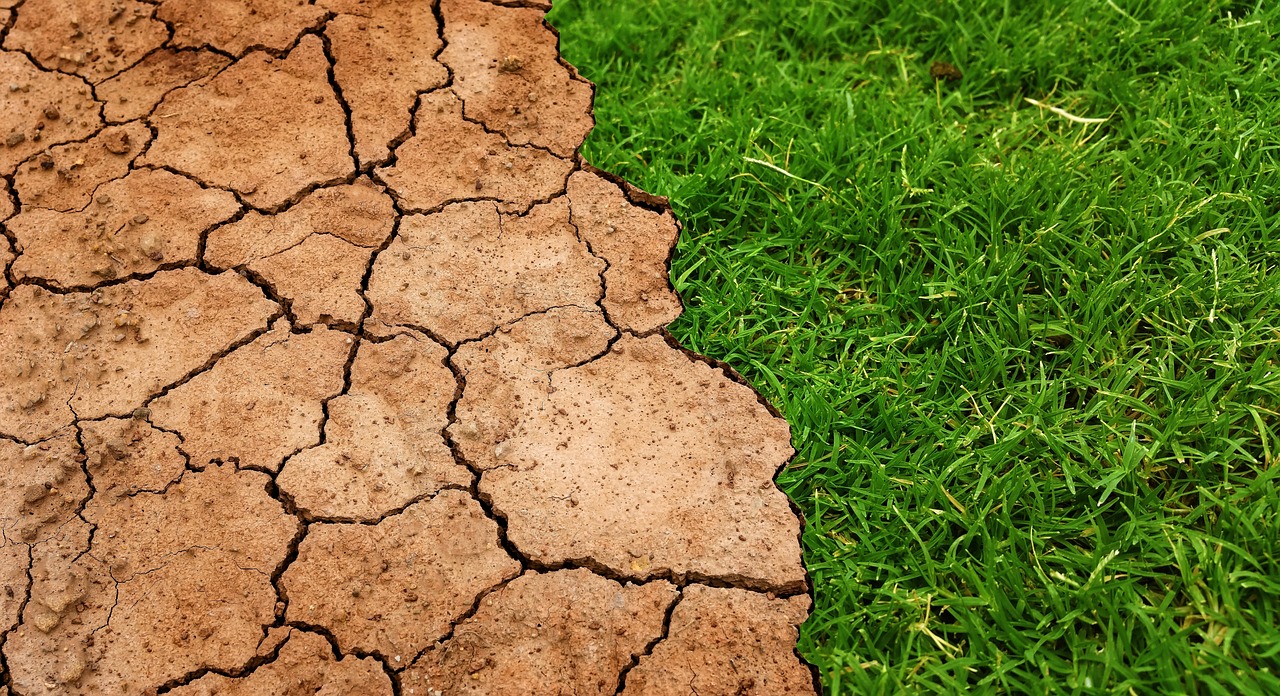
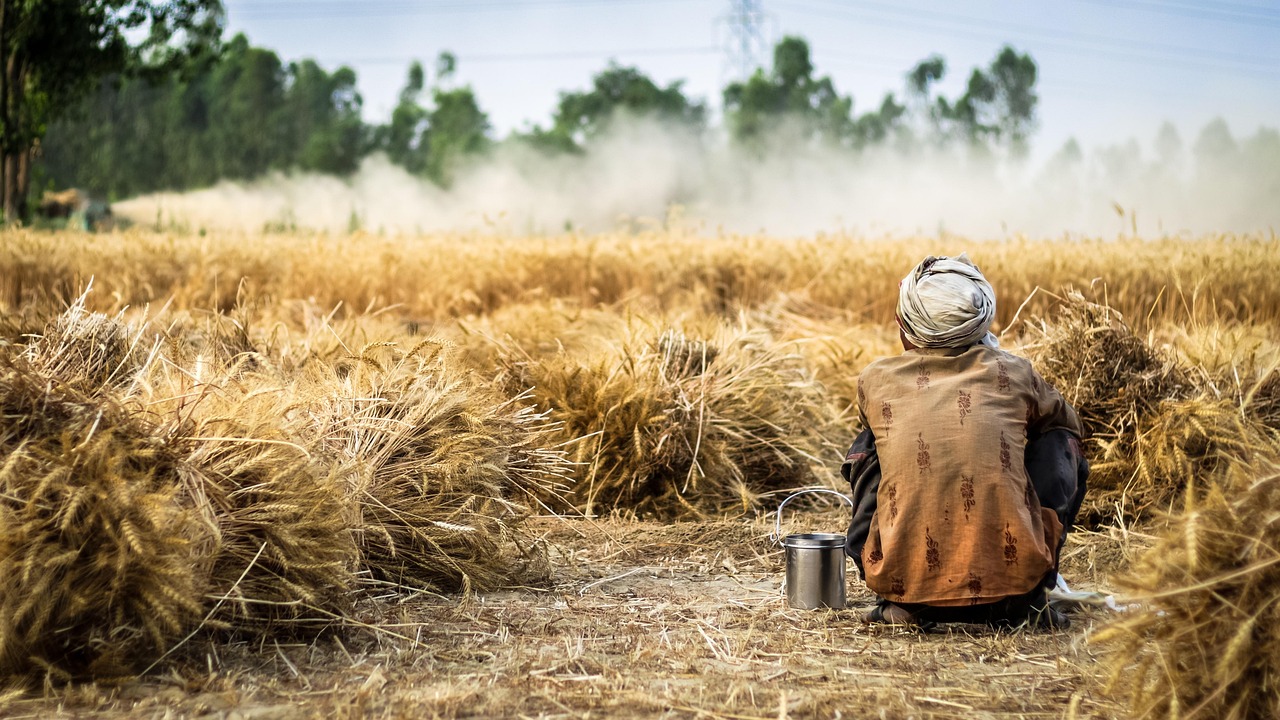
Agriculture remains a major source of livelihood in Plateau State, particularly in rural LGAs, yet it is highly sensitive to shifts in rainfall patterns, soil moisture, and seasonal variations. Unpredictable weather increasingly threatens food production, crop yields, and farmer income, while water scarcity and soil degradation compound these risks. Without intervention, climate disruptions may reduce agricultural productivity and deepen hunger, poverty, and unemployment.
Plateau State is known for fertile lands, rivers, highland forests, and distinctive biodiversity—assets that require strong climate governance to protect. Loss of pollinators, shrinking wetlands, drying streams, and reduced vegetation cover threaten ecological balance and future water security. Strengthening watershed management, restoring degraded landscapes, and conserving wildlife parks like Jos Wildlife Park are essential steps to maintain the natural systems that sustain livelihoods.
The PSCA focuses on climate-smart agriculture, sustainable irrigation systems, water conservation, and biodiversity restoration across Plateau communities. Training farmers in adaptive practices, promoting drought-tolerant crops, and establishing community-led conservation programs are part of its action framework. With shared responsibility, Plateau State can protect its ecological wealth for future generations while improving food security and rural development.
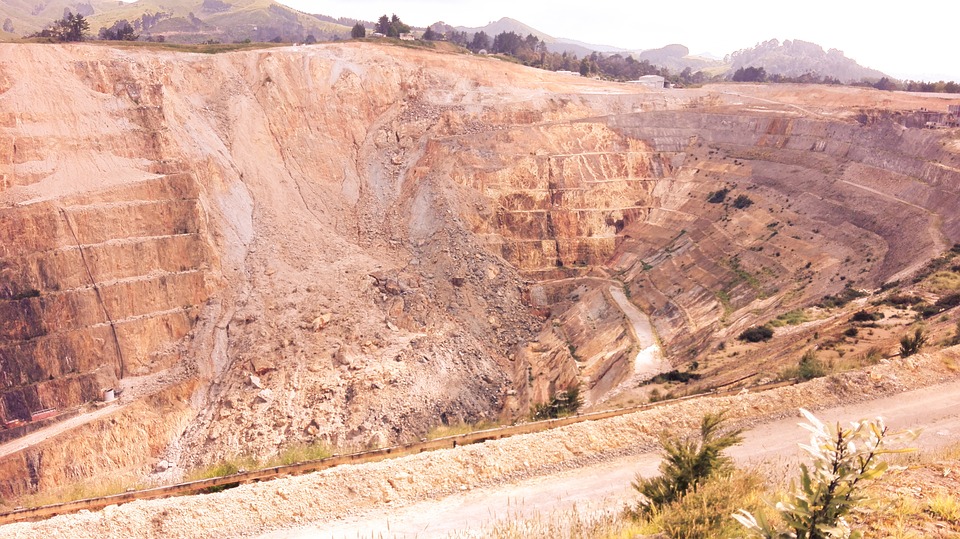
Mining has historically contributed to Plateau State’s economic identity, but unregulated extraction has also left behind severe land degradation, abandoned pits, soil contamination, and water pollution. Communities near mining corridors face increased erosion, declining farmland productivity, and exposure to hazardous waste. If unmanaged, these environmental damages can escalate climate vulnerability and threaten long-term development.
The Plateau State Climate Assembly prioritizes responsible mining as a climate and sustainability issue. Through policy advocacy, environmental monitoring, and community awareness, the Assembly works to strengthen regulation, enforce reclaiming of mining sites, and promote safer resource extraction. Restoring mined landscapes—through backfilling pits, tree planting, and soil rehabilitation—is central to climate resilience and land recovery.
Engaging miners, traditional councils, security agencies, and local governments ensures collaborative solutions that balance economic benefits with environmental safety. With improved governance, mining can transition from a destructive activity to a more regulated and climate-aware sector. PSCA aims to support this transformation to ensure Plateau’s natural landforms and farmlands remain productive and safe.
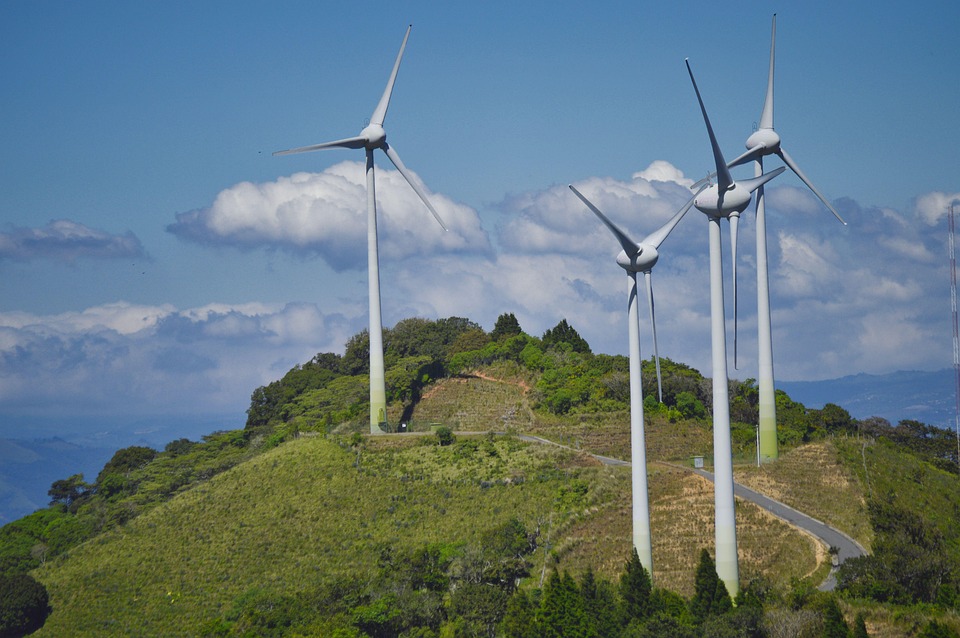
Plateau State must accelerate its shift toward renewable and climate-friendly energy systems to reduce emissions and address rising energy needs. The dominance of fossil-based energy, along with deforestation for firewood and charcoal, contributes significantly to carbon emissions, health risks, and forest depletion. Transitioning to clean energy solutions is therefore essential for long-term climate stability and environmental sustainability.
The Plateau State Climate Assembly promotes adoption of solar technologies, mini-grid systems, efficient cooking stoves, and low-carbon power solutions suitable for both urban and rural communities. Expanding access to affordable renewable energy can improve household wellbeing, power small businesses, reduce deforestation, and support green job creation. Cleaner energy also aligns Plateau State with global climate mandates and emerging investment opportunities.
Beyond advocacy, PSCA encourages innovation through climate tech incubation, research partnerships, and private sector engagement. The Assembly envisions Plateau State as a hub for green energy innovation, where clean energy powers homes, farms, schools, and industries sustainably. A successful transition will strengthen climate resilience and open pathways to a greener economy.
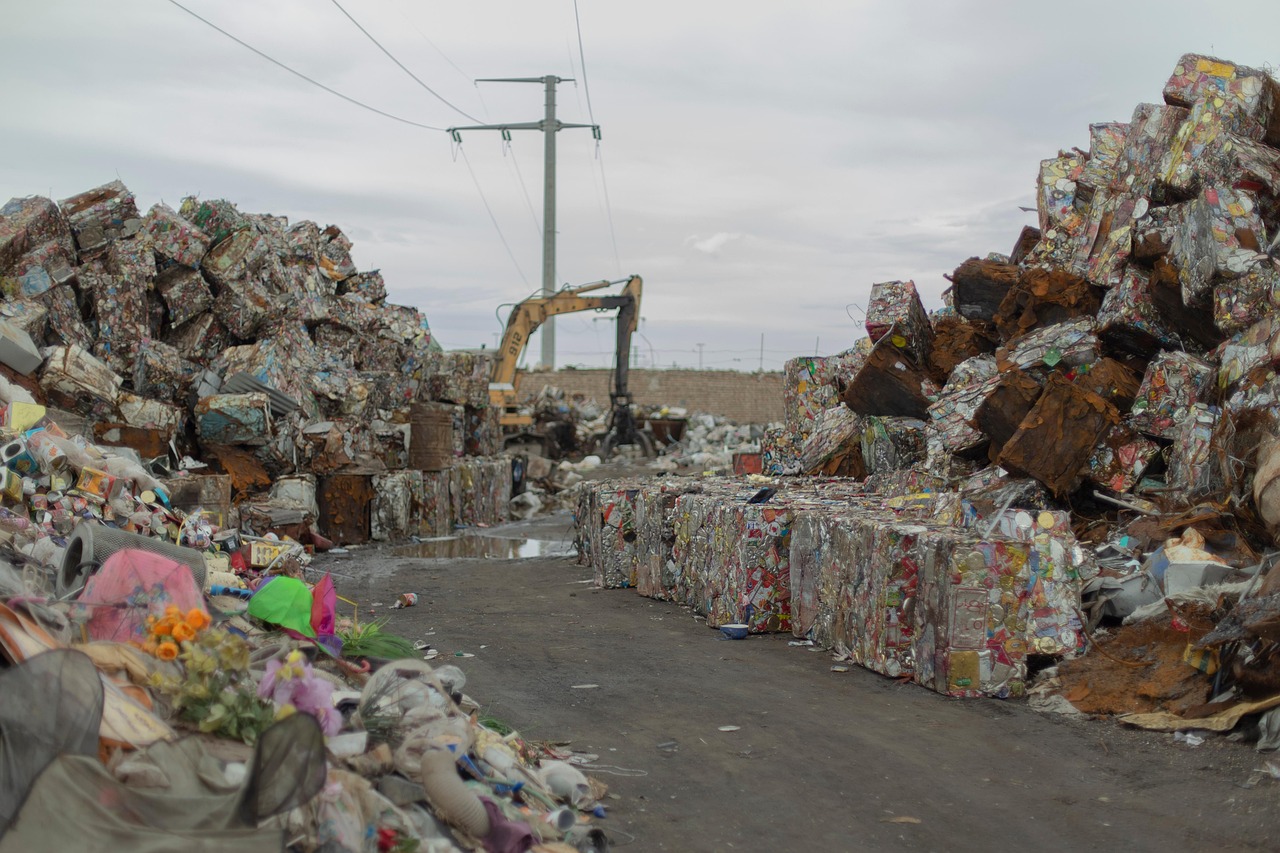
Urban centres across Plateau State, including Jos metropolis and growing towns, face increasing waste accumulation, plastic pollution, and poor waste-disposal practices. Blocked drainage systems, dumpsites near waterways, and open burning of refuse all contribute to flooding, air hazards, and disease outbreaks. Rapid urbanization requires a cleaner and climate-smarter waste management framework.
The Plateau State Climate Assembly promotes circular economy principles, responsible waste sorting, plastic recovery, and recycling programs. Through awareness campaigns, community sanitation drives, and collaboration with waste management authorities, PSCA advocates for cleaner urban environments and healthier public spaces. Targeted reforms, backed by policy enforcement, are essential for sustainable urban growth.
Improving waste handling also contributes to emission reduction, biodiversity protection, and water quality restoration. When citizens, government agencies, market associations, and youth groups participate collectively, urban centres can transition from polluted environments to climate-friendly cities. The PSCA remains committed to driving this transformation through policy consultation, advocacy, and action-based environmental programs.
J. D. Gomwalk Secretariat(Plateau State Government Secretariat), Jos, Plateau State.
9:00am - 16:00pm (Monday - Friday)