PSCA GALLERY
Plateau State Climate Assembly Photo Gallery
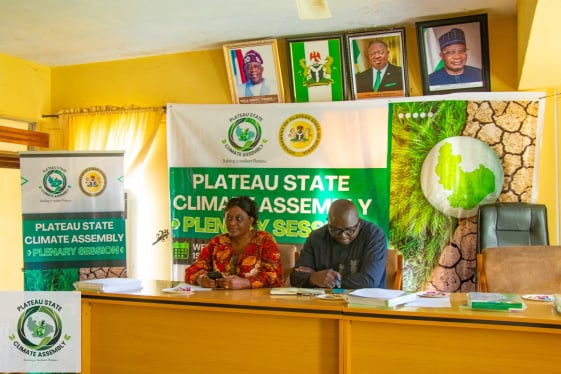
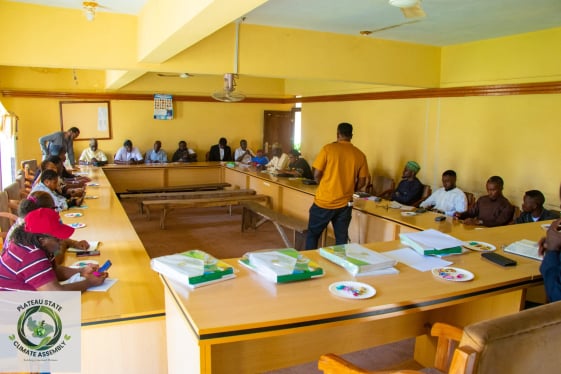
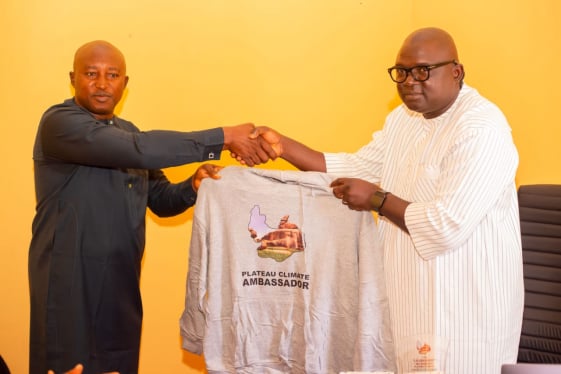
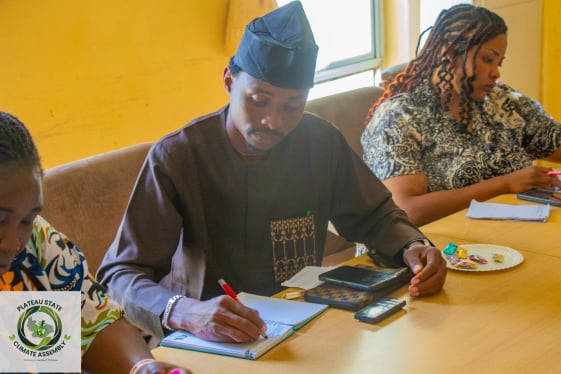
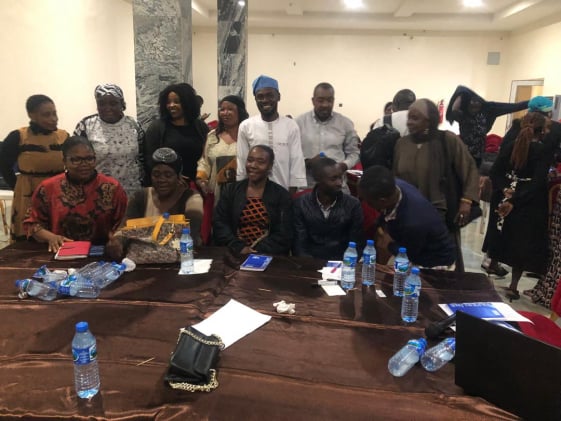
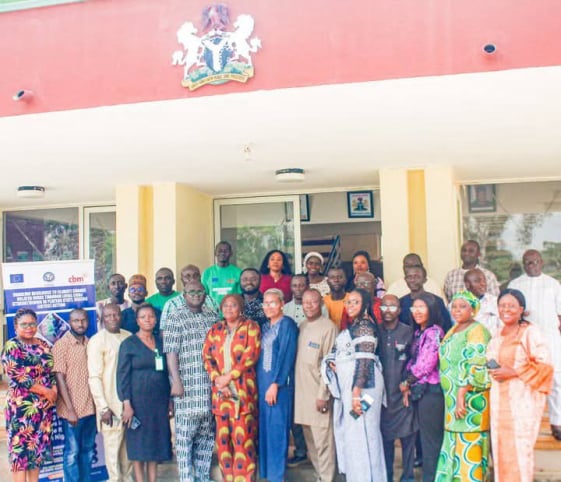
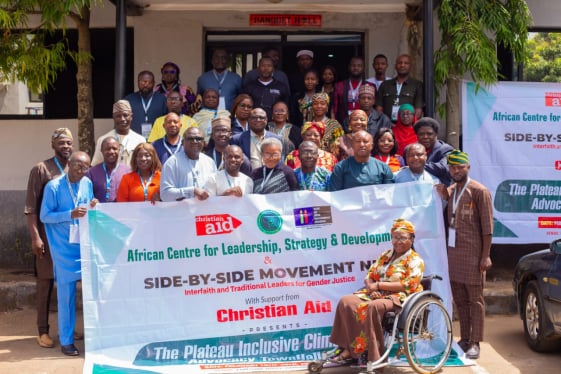
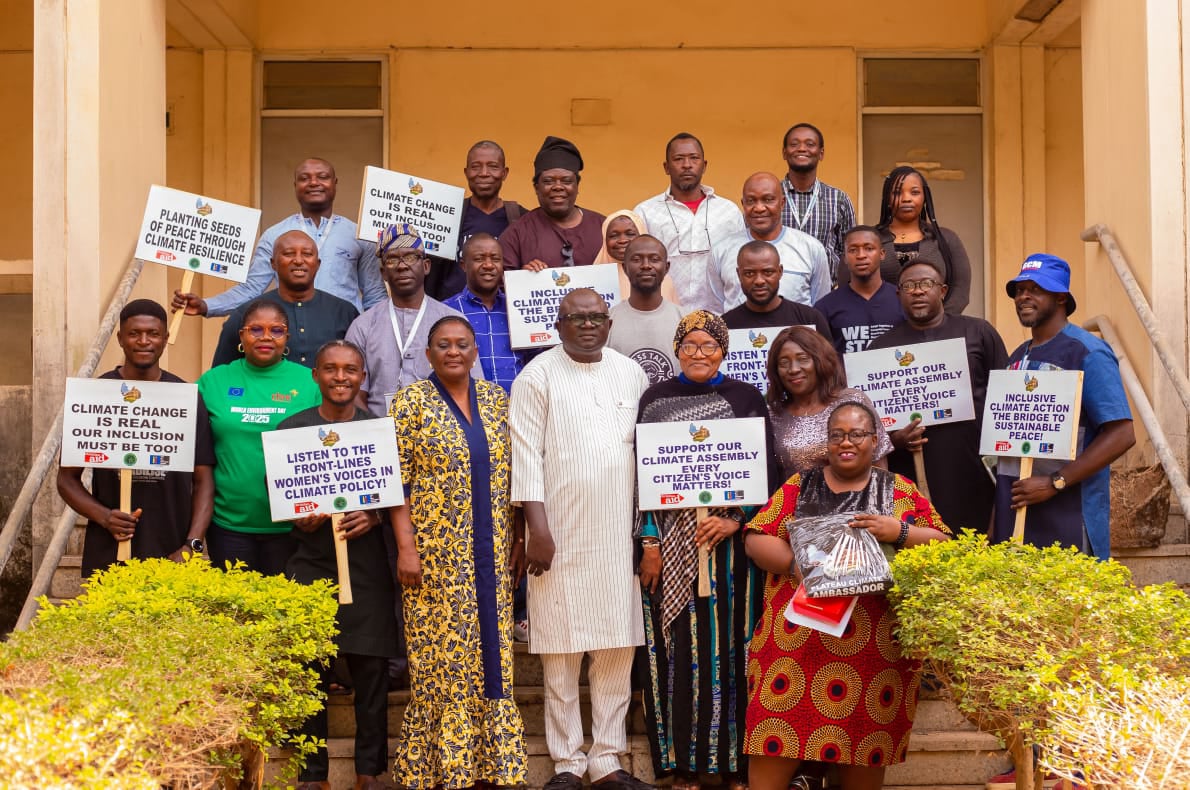
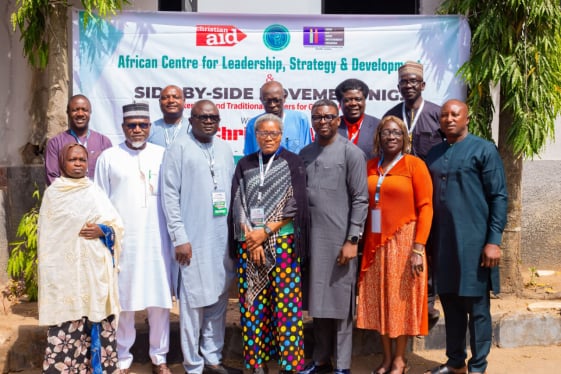

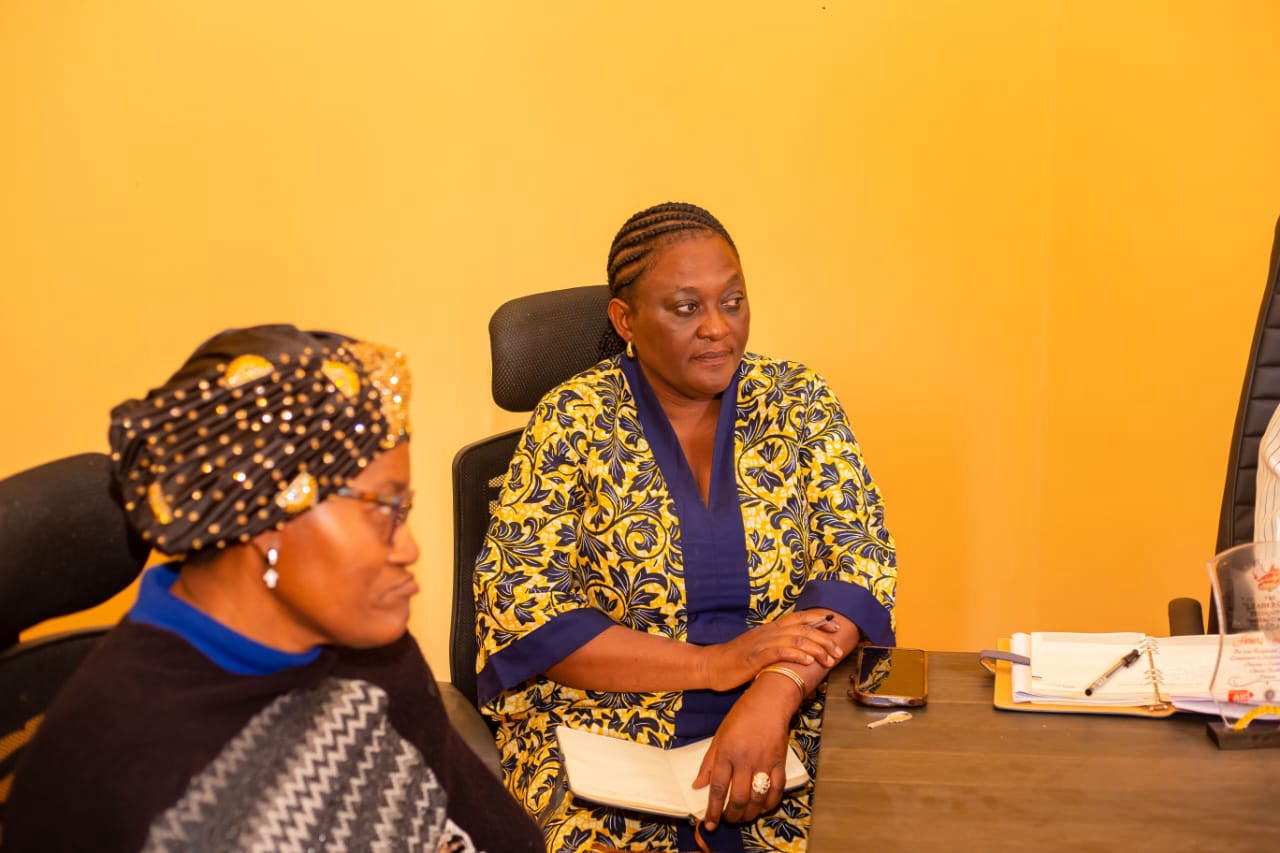
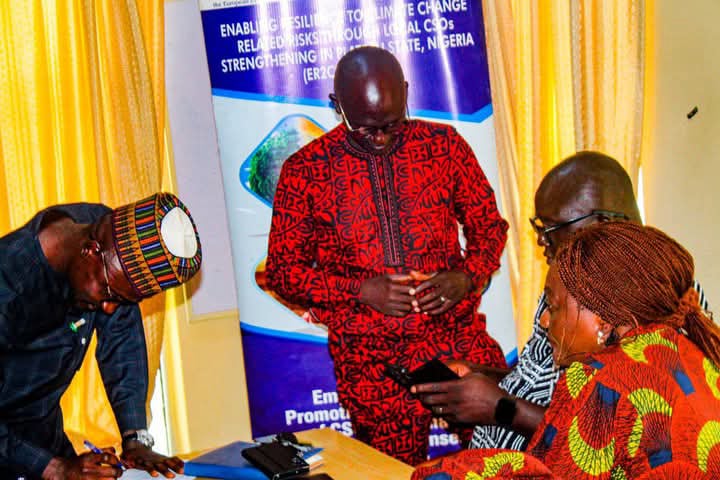
The Plateau State Climate Assembly is a multi-stakeholder platform established to promote inclusive climate governance and support the development and implementation of climate policies, programs, and actions that strengthen resilience and sustainable development across Plateau State.
The Plateau State Climate Assembly (PSCA) is a citizen-driven, inclusive and multi-stakeholder institution created to strengthen climate governance and environmental decision-making across Plateau State. It operates as a unifying structure that brings together voices from government, local communities, academia, civil society, traditional authorities, the private sector, and development partners. Through this formation, the Assembly provides a credible, neutral space where diverse groups can deliberate on climate issues, assess emerging risks, and jointly shape sustainable pathways for the State.
Rooted in the principles of responsibility, transparency and collective stewardship, PSCA works to ensure that climate policies, strategies and interventions reflect the lived realities of the Plateau people. It places particular emphasis on vulnerable and climate-impacted populations whose voices are often underrepresented in policy conversations. By integrating community experiences with scientific research and policy frameworks, the Assembly strengthens climate justice, inclusiveness, and legitimacy in decision-making processes.
Beyond dialogue, the PSCA actively drives advocacy, policy consultation, grassroots mobilization and climate action programming. It supports evidence-based policy formulation, monitors climate-related developments, and promotes adaptation and resilience initiatives across local government areas. Through capacity building, awareness campaigns, and collaborative partnerships, the Assembly positions Plateau State as a proactive actor in climate response, while empowering citizens to contribute meaningfully to a safer, greener and more climate-resilient future.
The assembly is a collaborative platform that brings together government, academia, civil society, the private sector, development partners, youth, women, and community representatives to provide strategic guidance on climate action in Plateau State.
A climate-resilient Plateau State where communities thrive, ecosystems are protected, and development is guided by sustainability, responsibility, and fairness for present and future generations.
To coordinate and strengthen climate governance in Plateau State through inclusive participation, evidence-based policymaking, capacity-building, and strategic partnerships that support climate resilience, environmental protection, and sustainable development.
Our Core Values and Mandate
Transparency, Accountability, Inclusion, Collaboration, Innovation, Sustainability. Our Mandate is to Promote climate governance, Support climate policy implementation, Encourage stakeholder participation, Monitor climate programs, Mobilize partnerships and resources, Promote climate awareness.
The Plateau State Climate Assembly is guided by a leadership structure dedicated to transparency, inclusiveness, and service:
Desmond Chollom(PMP) Speaker, PSCA
The Speaker directs the affairs of the Assembly, provides strategic leadership, facilitates dialogues, and represents the Assembly in official engagements. The Speaker ensures that the PSCA remains aligned with state priorities and community needs.
Deputy Speaker, PSCA
The Deputy Speaker supports the Speaker in legislative coordination, stakeholder engagement, and strategic oversight. The office ensures stability, continuity, and the smooth functioning of all Assembly processes.
Honorable Members
The honorable members of the assembly are task with the responsibility of deliberating on issues that affects climate change on the plateau through legislative coordination, stakeholder engagement, and strategic oversight.
The Plateau State Climate Assembly operates under the policy supervision and strategic guidance of the Honourable Commissioner, Ministry of Environment, Climate Change & Mineral Development. This leadership framework provides the Assembly with an authoritative administrative anchor, ensuring that its work aligns with the broader environmental priorities of the State.
Through this oversight role, the Honourable Commissioner offers direction, supports coordination, and ensures that the activities of the Assembly remain relevant to current climate challenges and responsive to emerging risks. This includes aligning programmes, consultations, and community engagements with national and sub-national climate policies for maximum impact.
By facilitating policy integration and strengthening institutional linkages, the Commissioner helps translate PSCA recommendations into actionable climate legislation, programmes, and governance processes. This synergy enhances Plateau State’s climate response capacity and ensures that climate actions are structured, sustainable, and beneficial to all stakeholders across the State.
The Advisory Council is a distinguished body of experts, community leaders, scholars, environmental advocates, and development practitioners who provide intellectual and strategic guidance to the PSCA.
Their responsibilities include:
+ Advising on climate policies and programs
+ Supporting research, data analysis, and evidence generation
+ Strengthening accountability, transparency, and inclusiveness
+ Facilitating partnerships and technical assistance
+ Enhancing long-term planning and resource mobilization
The Council ensures the Assembly benefits from diverse knowledge systems, including scientific, indigenous, and community-based insights.
The Secretariat is the operational backbone of the Plateau State Climate Assembly. It manages daily activities, supports program implementation, and ensures smooth communication across all stakeholders. The Secretariat is responsible for:
+ Administrative coordination and documentation
+ Website management, digital communication, and public outreach
+ Policy research, data collection, and technical reporting
+ Engagement with communities, government MDAs, and partners
+ Event planning, logistics, and project execution
The Secretariat works to maintain professionalism, efficiency, and continuity in all Assembly operations.
The Plateau State Climate Assembly maintains strong partnerships with institutions committed to climate resilience and sustainable development. These partnerships support policy development, technical expertise, funding, innovation, and community-driven solutions.
Key partner categories include:
+ State Ministries, Departments, and Agencies
+ Local Government Councils
+ Civil Society and Community-Based Organizations
+ Research and Academic Institutions
+ Private Sector Actors and Innovators
+ International Development Partners and Donor Agencies
Through collaboration, the PSCA amplifies climate action, strengthens institutional capacity, and promotes sustainable pathways for Plateau State.
Local Government Climate Chapters serve as the grassroots implementation arm of the Plateau State Climate Assembly, ensuring that climate policies, awareness, and adaptation strategies reach communities across all 17 LGAs. These chapters help diagnose local environmental challenges, monitor climate risks such as erosion, flooding, deforestation, mining damage, and water depletion, and escalate critical findings for State-level action. By providing real-time insights, they strengthen early-warning systems, guide climate programming, and support decision-making tailored to the realities of each locality.
Beyond reporting, the LGA Climate Chapters mobilize community participation, coordinate local initiatives, lead clean-up drives, tree-planting projects, youth campaigns, and climate education activities. They serve as connectors between citizens, traditional leaders, civil society, and government agencies, helping to foster climate responsibility at the grassroots. Through strong collaboration, these chapters enable a bottom-up approach to sustainability, ensuring no community is left behind in the effort to build a more resilient Plateau State.
J. D. Gomwalk Secretariat(Plateau State Government Secretariat), Jos, Plateau State.
9:00am - 16:00pm (Monday - Friday)
